What is judo?
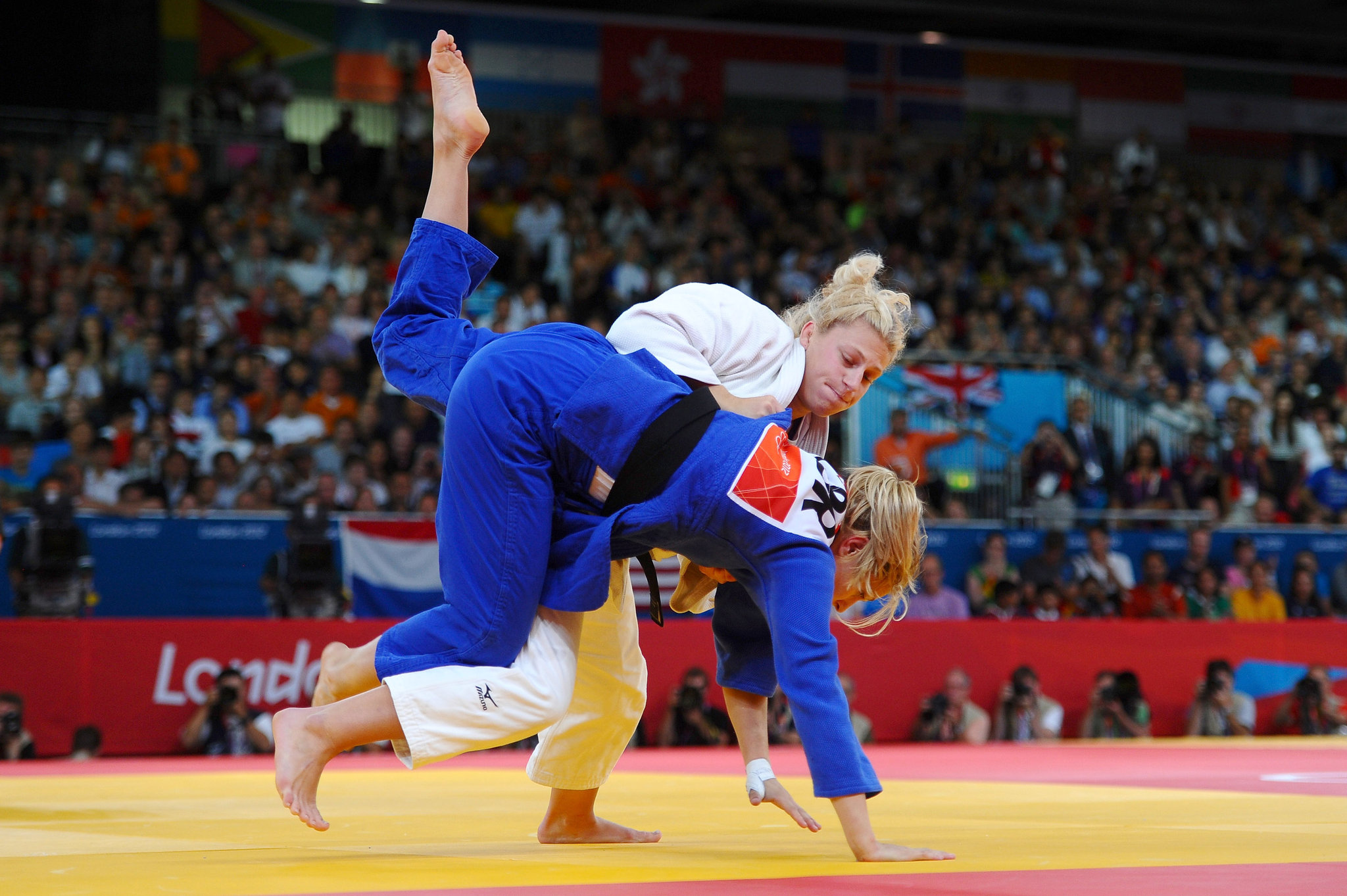
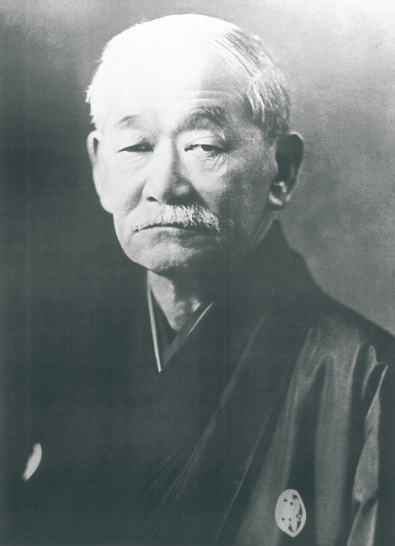
Judo was created in 1882 by Jigoro Kano as a modernized form of traditional Japanese ju-jitsu, a method of close combat that dates back to feudal Japan. Kano’s innovation was to remove the most dangerous techniques, allowing judo to be practiced safely in sparring, which paradoxically made it more effective for developing skilled combat athletes. Famously, in an 1886 competition hosted by the Tokyo Police Department, judo proved dominant against the other ju-jitsu schools and was subsequently adopted as the Tokyo Police’s official combat training program. From that point, judo began its expansion.
Jigoro Kano’s sportification of traditional ju-jitsu into judo laid the foundation for the development of sambo, Brazilian jiu-jitsu, and other offshoot martial arts, cementing Kano as a central figure in shaping modern combat sports and influencing the ever-evolving landscape of mixed martial arts.
For example, Vasili Oshchepkov, one of the key founders of sambo, trained under Kano for several years and received his black belt in 1913. The next year he returned home to Russia, a land already rich in native wrestling styles, and opened his own judo school where he trained the Red Army. This began judo's further refinement into sambo. The development of sambo accelerated during the years that judo was banned in the Soviet Union, between 1937 and the late 1950s.
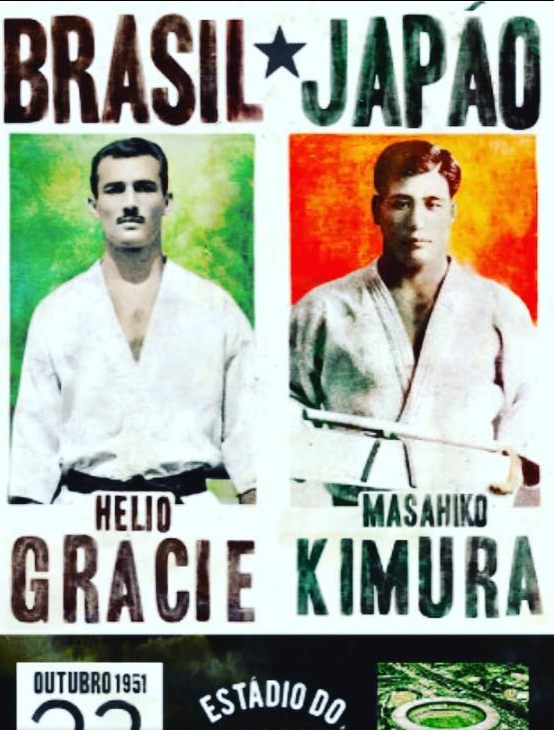
Similarly, Brazilian jiu-jitsu was developed by brothers Carlos and Helio Gracie. In 1914, they began training under Mitsuyo Maeda, one of Kano’s most accomplished students who was sent abroad to promote judo. In 1951, Helio Gracie fought legendary judoka Masahiko Kimura in what is remembered as a landmark event in the evolution of mixed martial arts.
Despite judo's effectiveness in developing fighters, Kano was more interested in creating a sport that was, in his view, more respectable and widely accessible for all. His dream was to offer judo to the world on behalf of a rapidly modernizing Japan. In 1909, he became the first person of Asian ancestry to join the International Olympic Committee. Kano's dream was finally realized 25 years after his death when judo was included in the 1964 Tokyo Games, making it the first non-European sport to enter the Olympics.
In his writings, Kano describes his aspirations for judo. He describes judo as both a sport and a system of physical and moral education. He outlines a set of values for both on and off the mats, as well as judo’s core principles of maximum efficiency and mutual benefit. Overall, Kano aspired for judo to serve as a lifelong practice of education and physical fitness.